1. Electrical
Electrical is the line item most likely to run over. The upstairs board, the tail-end load on existing circuits and the upgrade scope discovered mid-build all add to the original estimate. On the Coorparoo project the electrical upgrade scope cost roughly $5,000 over the original allowance.
2. Windows and glazing
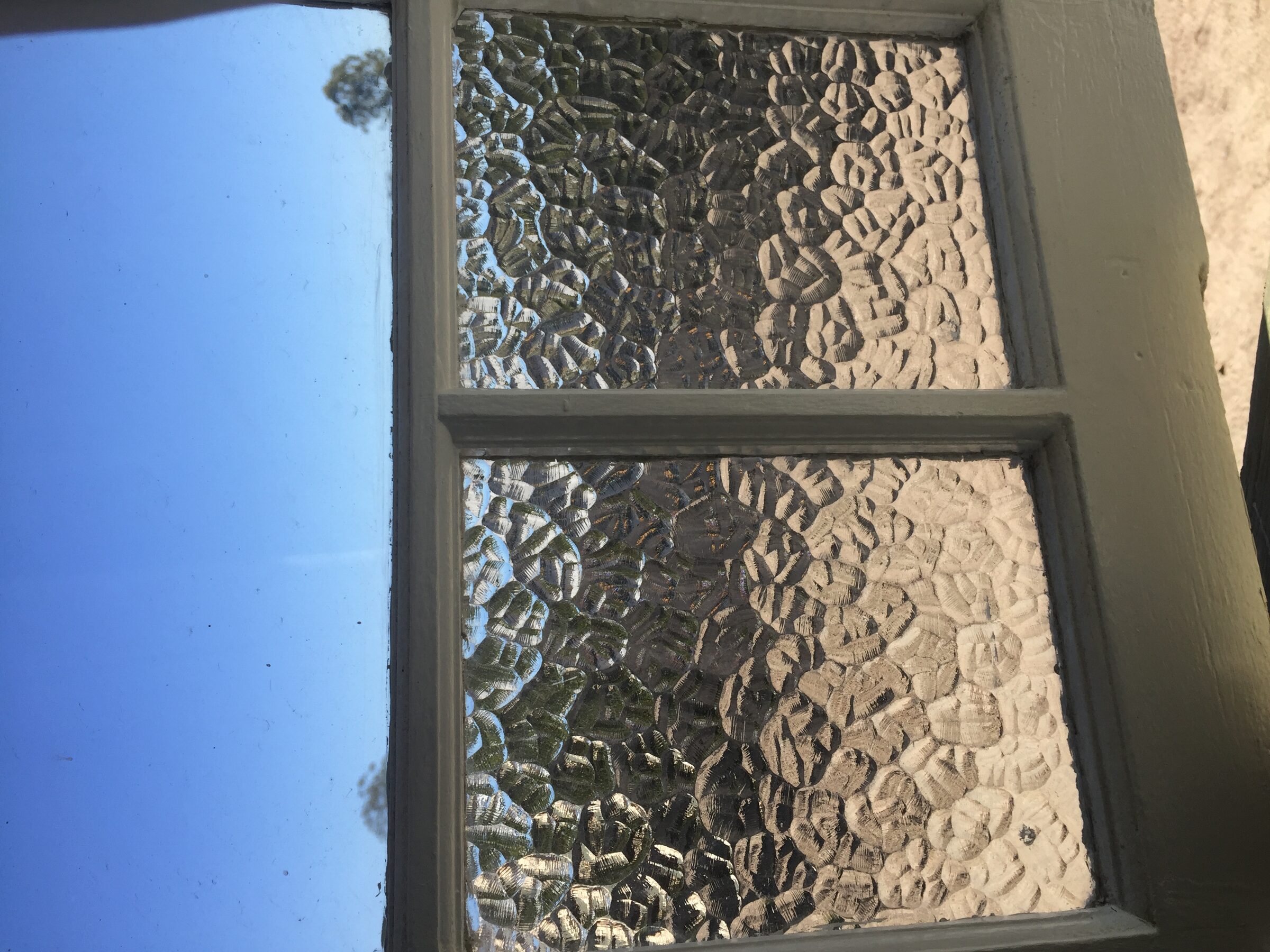
Window prices move and lead times can push out the weatherproofing schedule, so lock the spec and pay the deposit before the slab is poured. A confirmed order early protects both the price and the delivery date.
3. Engineering variations
Variations to engineering scope mid-build are common, so plan for them from the start. Variable ground conditions, a certifier flagging additional bracing or tie-down and scope added to the slab all drive extra cost, which is why a contingency of 5-10% of the structural category is worth holding for variation.
4. External works
External works cover the driveway, pathways, fencing and landscaping, and they are often deferred or left out of the original budget entirely. On the Coorparoo project external works came to $44,250.
5. The 15-20% contingency rule
Budget contingency above your project envelope, and treat 15% as the minimum on a Queenslander build-under. Push it to 20% if you are working with variable ground conditions or significant heritage constraints. Contingencies that are too thin are the single biggest mistake in owner-builder planning, because there is no slack left when the first variation lands.
Tools
Use the Renovation Budget System to model contingency at the line-item level rather than as a single global percentage.