Brisbane Character Overlay Explained
If your Brisbane Queenslander sits in a character or neighbourhood plan overlay, the rules about what you can build, demolish or alter differ from those on a standard residential property. This guide explains what that means in practice for a raise and build-under.
What is the character overlay?
BCC’s character overlay applies to suburbs and streets where the existing housing character - including pre-war Queenslanders, worker’s cottages and post-war homes - is considered worth protecting. The overlay imposes specific planning requirements on new buildings and significant alterations to existing ones.
The most relevant overlay for Queenslander owners is the Pre-1947 building character overlay, which applies across much of inner Brisbane. Within this overlay, certain changes that would otherwise be code-assessable (approved without a detailed assessment) become impact-assessable or have specific design requirements.
How to find out if your property is in the overlay
Check the Brisbane City Plan 2014 mapping on BCC’s website. Search your property address and look for a “Character overlay” or “Neighbourhood plan” designation. A town planner can also interpret the overlay implications for your specific property and proposed works.
What the overlay affects in a Queenslander renovation
Street-facing elevations. The overlay places requirements on materials, architectural elements and the visual character of the street-facing facade. VJ boards, chamferboards, timber windows and traditional Queenslander proportions are generally consistent with the overlay requirements. Brick, aluminium cladding and modern window systems in prominent locations may require additional justification.
Demolition of pre-1947 structures. Demolishing a pre-1947 building in a character overlay typically requires impact assessment - meaning the council assesses the impact of the demolition on the character of the area. This is not automatic approval.
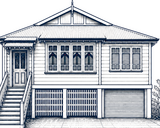
Raising and extending. Raising a Queenslander and building underneath is generally supported in character overlay areas, provided the ground floor development maintains consistency with the character of the area and does not visually dominate the original house when viewed from the street.
New buildings on character lots. If you are demolishing and rebuilding rather than retaining and raising, the character overlay requirements are much stricter.
Practical implications for a Queenslander raise
For a typical raise and build-under in a character overlay:
- The raised house itself is generally unaffected - it’s the same building
- The new ground floor needs to respect the character overlay in terms of materials and design visible from the street
- Fibre cement cladding and aluminium windows are common in build-unders, but may require justification in prominent overlays
- Your building designer or town planner should be briefed on the overlay before preparing DA plans
This is general information only
Character overlay rules vary by suburb, street and property. Always confirm the specific requirements for your property with BCC or a registered town planner before committing to a design.
Brisbane character overlay: FAQ
Does the character overlay stop me from raising my Queenslander?
No, not in most cases. Raising a Queenslander and building underneath is generally consistent with the character overlay - you are retaining and improving the original building. The overlay affects how the new ground floor is designed and what materials are used on street-facing elevations.
Do I need a development approval if my property is in the character overlay?
In most cases, yes - a DA is required for a Queenslander raise in Brisbane regardless of overlay status. The character overlay may add additional requirements to that DA process. Confirm with BCC or a town planner.
Can I use modern materials on a Queenslander build-under in a character overlay?
It depends on the specific overlay provisions and where the materials are used. Fibre cement cladding in a non-prominent location is often acceptable. Highly visible street-facing changes may need to be more sympathetic to the character. A building designer familiar with the overlay can advise.
Newsletter
Follow the build
One documented Coorparoo project - the costs, the approvals, the calls we would reverse. Lessons that translate, straight to your inbox.